

WPS for IMO & EU Maritime Compliance
New rules from the IMO Compliance for wind propulsion and the European Union are shaking up the shipping industry. These days, staying compliant isn’t just a requirement — it’s a smart move. From carbon intensity ratings to emissions trading schemes, shipowners really can’t afford to wait. Taking action now helps avoid penalties for non compliance, cut down on costs, and protect the value of vessels under various global and regional decarbonisation plans.
Overview of IMO GHG Strategy, EEXI, CII : IMO compliance & EU Regualtions
The IMO’s Revised GHG Strategy sets a global mandate for shipping to achieve net-zero emissions by around 2050. Key short-term measures, EEXI (Energy Efficiency Existing Ship Index) and CII (Carbon Intensity Indicator) are already in force, requiring technical and operational improvements from all vessels.
From 2027 onward, the IMO will introduce mid-term measures, including a GHG Fuel Standard and carbon pricing mechanism, which will further increase pressure to decarbonise. Non-compliant ships may face financial penalties or be required to purchase Remedial Units. These changes make early investment in low-carbon technologies,like Newbuild Integration and Retrofit Solutions, critical to long-term fleet viability. and compliance benefits of wind propulsion.

FuelEU Maritime and EU ETS Explained
Coming into effect in January 2025, the FuelEU Maritime regulation will require ships in the EEA to cut their greenhouse gas intensity. It kicks off with a 2% reduction target and gradually increases to 80% by 2050. Ships need to bring down their full-cycle carbon footprint — from well to wake — or they’ll be hit with financial penalties. Green Shipping Benefits demonstrate how wind-assisted propulsion can play a major role in meeting these targets.
In parallel, the EU ETS now includes shipping: vessels over 5,000 GT must report CO₂ emissions and purchase EU Allowances (EUAs) for compliance. Emissions are priced per tonne and apply to 100% of intra-EU voyages and 50% of international legs involving EU ports. AirWing™ Technology Explained covers how wind propulsion directly reduces carbon exposure under this system. See the official EU ETS shipping compliance rules for more details. These two frameworks make decarbonisation not only a regulatory issue, but a commercial one increasing pressure to adopt regulatory frameworks for sustainable shipping and effective compliance strategies for shipowners.
How Wind Propulsion Supports Compliance
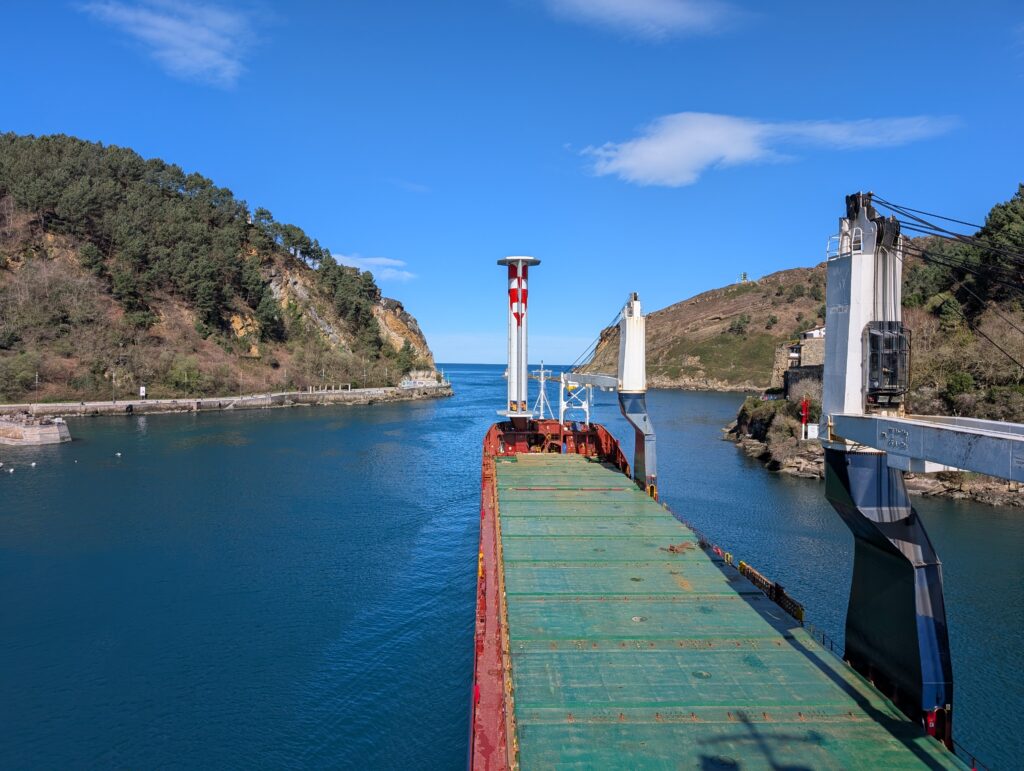
Wind propulsion systems like AirWing™ are officially recognised under both IMO and EU frameworks. They cut fuel use and CO₂ emissions, directly improving:
- EEXI scores
- CII ratings
- FuelEU Maritime intensity metrics
- EU ETS carbon exposure
By using free wind energy, AirWing™ helps vessels reduce emissions without operational compromises—delivering real-world cost savings and ensuring regulatory alignment across short- and mid-term requirements. As carbon pricing expands, wind propulsion offers a scalable, economical compliance tool – IMO compliance for wind propulsion and EU regulations on wind-assisted shipping are no longer optional.
This also supports aligning operations with international standards, eases certification processes for green technologies, and simplifies auditing wind propulsion systems—leveraging compliance for competitive advantage across both Newbuild Integration and Retrofit Solutions approaches. See how this benefits ship types like Bulk Carriers and General Cargo Ships.


Partners & Collaborators
Companies Who Trust Us





Penalties for Non-Compliance
One of AirWing’s greatest strengths is that it can be fitted to almost any type of vessel without getting in the way of your operations.
Partners & Collaborators
Supported By





Want to understand how your fleet aligns with IMO and EU rules? Download our Compliance Brief or speak directly with our legal and engineering teams. We’ll help assess your risk, identify opportunities, and guide you through regulatory changes with confidence. Contact us to get started.
Frequently Asked Questions (FAQs)
What is the Energy Efficiency Existing Ship Index (EEXI) and why does it matter for compliance?
The Energy Efficiency Design Index (EEDI) measures the grams of CO₂ emitted per ton-mile based on a new ship’s technical design. Its goal is to drive the adoption of more energy-efficient equipment and engines across the sector. A lower EEDI value means a more efficient vessel. By integrating technologies like AirWing™, shipowners can significantly improve their EEDI scores, making newbuilds both compliant and more cost-effective to operate.
How does the Carbon Intensity Indicator (CII) rating affect ship operations and penalties?
The Carbon Intensity Indicator (CII) measures a ship’s efficiency in CO₂ per ton-mile and assigns a rating from A (best) to E (worst). Vessels rated D for three years in a row or E in any single year must submit a corrective plan to their flag state. Beyond compliance, CII ratings influence charter decisions, with higher-rated vessels being more attractive to customers. Installing AirWing™ reduces fuel burn and emissions, directly improving a ship’s CII score and helping owners avoid penalties, restrictions, or lost commercial opportunities.
What is the FuelEU Maritime regulation and how does it differ from the EU ETS?
The FuelEU Maritime regulation sets limits on the greenhouse gas intensity of the energy ships use, requiring cleaner fuels from 2025 onward. The EU Emissions Trading System (ETS) puts a price on total CO₂ emissions, meaning shipowners must buy allowances for every tonne emitted on voyages to, from, or between EU ports.
In short, FuelEU regulates fuel quality, ETS regulates fuel quantity. Installing AirWing™ helps with both, by cutting overall fuel use (reducing ETS costs) and improving FuelEU performance scores through lower reward factors which lower carbon intensity.
When do shipowners need to comply with EU ETS requirements for maritime emissions?
The EU ETS for shipping began in January 2024, requiring shipowners to report and pay for a share of their CO₂ emissions on voyages to, from, and within EU ports. The scheme is being phased in, with 40% of emissions covered in 2024, rising to 70% in 2025 and 100% from 2026 onward. By reducing fuel use and emissions at the source, AirWing™ directly lowers ETS exposure, helping shipowners cut compliance costs while improving their environmental performance..
How can wind-assisted propulsion help ships meet IMO and EU compliance targets?
Wind-assisted propulsion lowers fuel consumption and CO₂ emissions, helping ships meet IMO rules (EEDI, EEXI, and CII) while preparing for upcoming GHG standards and carbon pricing. It also cuts costs under the EU ETS and boosts FuelEU Maritime scores. With its advanced Jet Sail technology, AirWing™ maximises these savings, giving shipowners stronger compliance, lower costs, and a future-proof fleet.
What are the cost implications of failing to comply with IMO and EU emission rules?
Failing to comply with IMO and EU emission rules carries high costs. From 2027, the IMO will introduce mid-term measures including a GHG Fuel Standard and carbon pricing, with non-compliant vessels facing penalties or needing to buy Remedial Units priced at $100–$380 per tonne of CO₂e. In the EU, rising ETS and FuelEU obligations add further expense. Investing early in low-carbon technologies like AirWing™ not only reduces fuel costs but also unlocks major regulatory savings, often doubling the benefit of fuel savings alone.

Find out how our proven wind propulsion technology can help you reduce emissions and cost.