

Freequently Asked Questions
Frequently Asked Questions (FAQs)
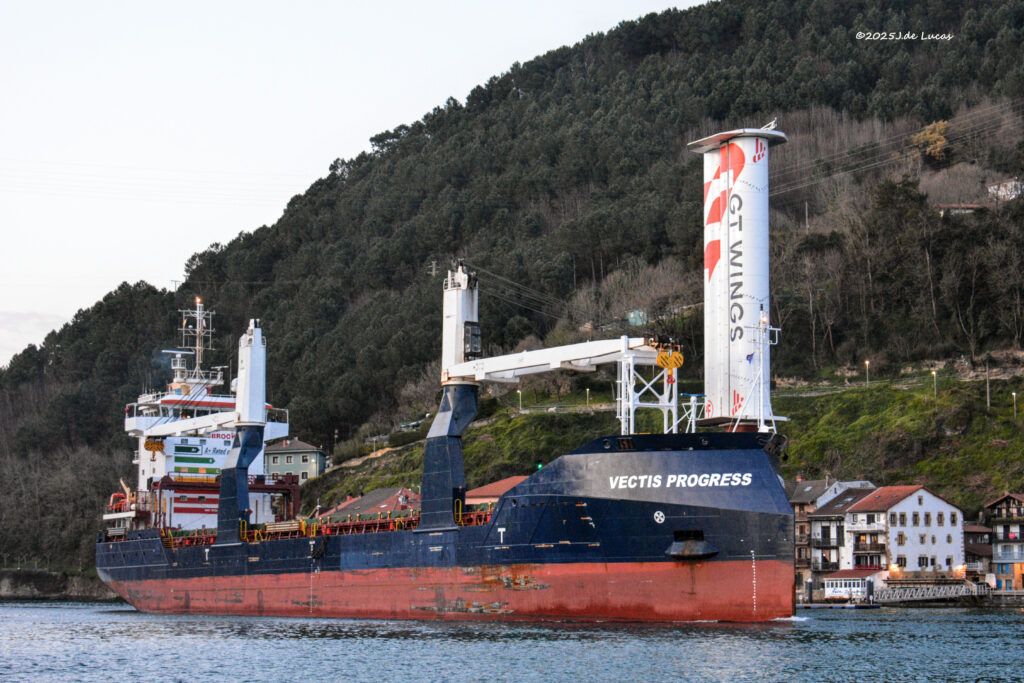
How does wind-assisted propulsion work on ships?
Wind propulsion systems harness the power of the wind to generate forward thrust for a vessel. This support reduces the demand on the main engine, cutting fuel consumption and lowering carbon emissions. The AirWing™ jet sail is a fully automated wind propulsion solution, designed to deliver these benefits seamlessly.
What are the different types of wind propulsion systems?
Wind-assisted propulsion systems are typically grouped into four categories: rotor sails, kites, suction sails and rigid sails. A new and more advanced category is now emerging Jet Sails, which draw air in and blow it back over the sail to deliver a step change in performance. AirWing™ by GT Wings is the first commercially available Jet Sail.
How much fuel and emissions can wind propulsion save?
Wind propulsion can typically reduce fuel use and emissions by 5–30%, though percentages can be misleading since savings depend on factors like vessel type, route, and operating profile. The most reliable way to understand the potential is through a free feasibility study with GT Wings, tailored to your specific vessel.
Can ships use wind propulsion when there is no wind?
Ships can’t generate thrust from wind propulsion when there’s no wind or when sailing directly into it. However, the systems still qualify for FuelEU Maritime rewards, even when not actively in use. The AirWing™ control system is fully automated, adjusting in real time to maximise savings. It also has multiple levels of control through fan power over the height, wing camber and flap rotation. This allows for a high level of optimisation in all weather conditions.
Is wind-assisted propulsion compliant with IMO decarbonization targets?
Wind-assisted propulsion supports compliance with EEDI, EEXI, and CII today, and is also expected to count toward the IMO’s mid-term measures from 2027, including a GHG Fuel Standard and carbon pricing.
Non-compliant ships may face steep penalties or be forced to buy Remedial Units priced at $100–$380 per tonne of CO₂e. Early adoption of low-carbon technologies like wind propulsion is therefore critical for long-term fleet viability.

Find out how our proven wind propulsion technology can help you reduce emissions and cost.